


Deciding whether your hot tub needs a fence involves several considerations. First, legal requirements can vary by location, with many states enforcing fencing for safety reasons.
For instance, in Illinois, barriers must be at least 3.5 feet high; other states may require taller fences. You can choose between different types of barriers like sturdy fences or lockable covers that are secure and comply with regulations.
Even if not legally required, having a fence is important for safety, especially if kids or pets are involved. Always check local codes and consult professionals to ensure compliance while weighing installation costs against the peace of mind a fence can provide.
Understanding Local Regulations on Hot Tub Fencing
Understanding local regulations on hot tub fencing is crucial for every homeowner. Laws can vary greatly from state to state, and even from city to city, which means it is essential to consult local guidelines.
For instance, in Illinois, a hot tub barrier must be at least 3.5 feet high unless the hot tub itself is taller, while some states require a minimum height of 4 feet. In certain areas, you might find that alternative safety measures, like a lockable cover, are allowed instead of a fence.
It is also important to stay informed about new laws, as safety standards evolve over time.
Hot tub manufacturers often provide helpful information regarding applicable local regulations. Some regions have specific requirements for the types of materials used for fencing, and there may also be regulations regarding the locks or gates that are necessary for safety.
Additionally, certain areas may have rules based on how close the hot tub is to other structures or property lines. Noncompliance with these regulations can lead to fines or even the mandatory removal of your hot tub.
It is worth noting that insurance companies may impose their own requirements for fencing, which can affect your coverage.
For clarity on these regulations, local building departments can be excellent resources. By taking the time to fully understand the local requirements, you can ensure that your hot tub is both safe and compliant.
| State | Minimum Fence Height | Alternative Safety Measures | Lock Requirements | Penalties for Non-Compliance |
|---|---|---|---|---|
| Illinois | 3.5 feet (unless hot tub is taller) | Lockable cover | Gates must open away from hot tub and self-close | Fines or removal of hot tub |
| California | 5 feet minimum | N/A | No more than 2 inches of space from ground | Fines or legal action |
| Texas | 4 feet minimum | Lockable cover may suffice | Gates must be self-latching | Fines or enforcement action |
| Florida | 4 feet minimum | N/A | Climb-resistant features required | Possible civil penalties |
| New York | 4 feet minimum | Cover can substitute fencing | Locks must be child-proof | Possible fines and legal issues |
Types of Barriers for Hot Tubs
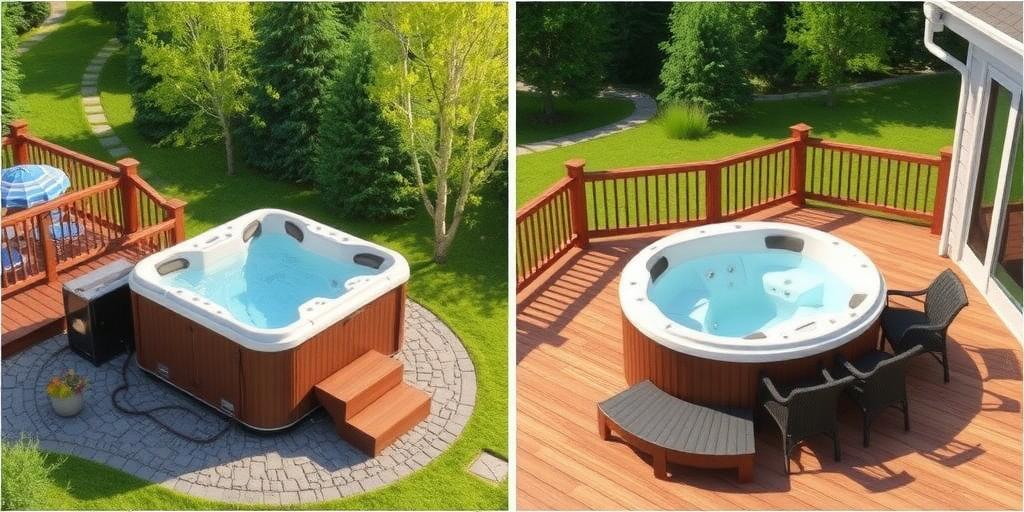
When considering barriers for your hot tub, various options are available, each with its own benefits. Fences can be constructed from materials like wood, vinyl, or aluminum, allowing you to choose based on aesthetics and durability.
For a more temporary solution, portable fencing is also an option, ideal for seasonal use.
Depending on your community regulations, you may need to ensure that your barrier is climb-resistant, which will affect the design of your fence.
It’s also wise to select gates that include a lock mechanism positioned out of reach of children, enhancing safety considerably.
Another choice is transparent fencing, which offers an unobstructed view while still ensuring protection. In some areas, you might find that natural barriers like hedges or walls are acceptable alternatives to traditional fencing.
When selecting a barrier, consider maintenance needs, durability, and how well the material stands up to your local weather conditions. Additionally, some hot tub covers can serve as safety barriers when locked correctly.
Lastly, think about how the fence design will fit with your home and landscape, as well as how local wildlife could influence your choice, since animals can also pose a safety risk.
- Fences can be made from materials like wood, vinyl, or aluminum, with each offering different aesthetics and durability.
- Portable fencing options are available for temporary setups, suitable for seasonal use.
- Some communities may require that barriers be climb-resistant, influencing the design of the fence.
- Gates should ideally have a lock mechanism that is out of reach of children for added safety.
- Transparent fencing options can provide an unobstructed view while still ensuring safety.
- Certain localities may allow natural barriers like hedges or walls instead of conventional fences.
- Barrier options should be assessed based on maintenance requirements, durability, and local weather conditions.
- Some hot tub covers are designed to double as a safety barrier when locked properly.
- The fence design should blend with the overall landscape and home aesthetics.
- Consideration of local wildlife may influence the type of barrier chosen, as animals can also pose a safety risk.
Safety Considerations for Hot Tub Owners
Safety is a top priority for any hot tub owner, especially if children are part of the household. Regular maintenance of the fence or barrier surrounding your hot tub is critical to ensure it remains effective over time.
Consider installing safety features like alarms or motion sensors near the hot tub area for an extra layer of protection.
Educating family members about hot tub safety practices can also complement physical barriers, reinforcing the importance of supervision, particularly for children.
Even with a fence, adult supervision around the hot tub is essential. Accidents can happen quickly, making vigilant monitoring necessary.
To enhance safety, incorporate non-slip surfaces around the hot tub to minimize the risk of falls. When choosing a fence, ensure that it does not obstruct visibility from your home, allowing you to keep an eye on the area easily.
Emergency access is another critical factor to consider when placing barriers. You want to ensure that you can quickly enter the area if needed. Using bright colors for fencing can make it more visible, helping to draw attention to the barrier.
The height of the fence is also important; it should be tall enough to prevent children from climbing over, which can vary based on their age. Regularly inspecting the hot tub area for hazards can help maintain a safe environment, so make it a routine to check for any potential dangers.
Checking Local Codes and HOA Rules
When considering whether your hot tub needs a fence, it is crucial to check local codes and the rules set by your homeowners association (HOA). These regulations can vary widely, and sometimes HOAs will impose stricter rules than state laws.
For instance, some communities may require specific fence styles or materials to maintain a certain aesthetic. You can often find relevant building codes and regulations on local government websites, which provide a clear overview of what is required in your area.
If you are part of an HOA, it’s advisable to thoroughly review their guidelines. Non-compliance can lead to fines or even legal action, so it’s wise to be informed.
It might also be beneficial to talk with your neighbors, as they can share insights about common practices regarding hot tub fencing in your community. Engaging with local government offices can help clarify any confusing regulations or codes you may encounter.
In some cases, you may need to submit plans or specifications when applying for permits to build your fence. Community meetings can serve as a platform to voice your opinions and learn more about fencing regulations.
If you find the legal aspects overwhelming, consulting a local attorney can provide clarity on your obligations, ensuring you stay compliant with both local codes and HOA rules.
Factors for Above Ground vs In-Ground Hot Tubs
When deciding on fencing for your hot tub, it’s important to consider whether it’s above ground or in-ground. Above-ground hot tubs are typically higher off the ground, which can make them more accessible yet also raises safety concerns.
For instance, if your above-ground model has steps or a ladder for entry, you’ll need a fence that accounts for these features to prevent falls.
On the other hand, in-ground hot tubs may not require the same type of fencing since they are flush with the ground. However, their installation may be subject to local zoning laws, which can vary based on their permanence and location.
The depth of in-ground hot tubs can also influence fencing decisions. Deeper installations might necessitate additional safety measures, like a taller fence or specific barrier designs to ensure safety.
In contrast, above-ground hot tubs may offer removable or portable fencing options, allowing you to adapt your setup seasonally. In-ground models often integrate more naturally into landscaping, which can create visual barriers and enhance privacy.
Both types of hot tubs should have safety features in place, such as lockable covers or alarms, regardless of their installation style. Always check local codes, as they might have different specifications for fencing heights based on your hot tub type.
Consulting Experts for Fencing Advice
Engaging with local pool and spa professionals can be a smart first step in deciding whether your hot tub needs a fence. These experts are often well-versed in compliance issues and best practices tailored to your region.
Contractors who specialize in fencing can present you with various options that not only meet regulatory requirements but also enhance the aesthetic appeal of your yard.
Landscape designers can play a crucial role too; they can help you integrate the fence seamlessly into your outdoor space, ensuring it complements your overall design.
Insurance agents may provide insights on safety measures that can help reduce liability, which is especially important if you have children or pets. Don’t forget to consult local municipalities, as they can offer guidance to help you navigate complex regulations.
Real estate agents can give you a broader perspective on neighborhood trends concerning hot tub installations and fencing, which may influence your decision. Online forums and local community groups can also be valuable resources for anecdotal advice and shared experiences.
Consulting a certified safety inspector may reveal overlooked safety issues or regulatory gaps that need addressing.
Home improvement stores often offer workshops or resources about safe installations and local codes as well. Finally, networking with other hot tub owners can provide firsthand insight into effective fencing solutions that worked for them.
Permits and Costs for Hot Tub Fences
Costs for fencing your hot tub can vary quite a bit, depending on the materials you choose, the design you prefer, and local labor rates.
Some homeowners may find it beneficial to obtain multiple quotes from contractors to ensure they get the best deal for quality work.
Before installation, be aware that permits might be required, which can add to your overall expenses. Some areas have specific permit fees that should be included in your budget.
The permitting process can differ; you might need to submit detailed plans or even undergo inspections.
If you’re looking to save some money, a DIY option could be appealing. However, it’s crucial to ensure that your installation complies with local regulations to avoid future issues.
Don’t forget to budget for ongoing maintenance costs associated with the fence, like painting or repairs, especially considering seasonal challenges, such as winter maintenance.
Interestingly, having a compliant fence can sometimes lead to insurance discounts, which may help offset some of the costs. It’s also worth researching local grants or funding options that might assist with safety improvements.
This financial foresight can ease the burden of costs while ensuring your hot tub area remains safe and secure.
Final Thoughts on Fencing Your Hot Tub
Fencing your hot tub can bring long-term benefits, offering peace of mind and safety for your family. When considering a fence, think about your local environment: if wildlife or neighborhood activities pose risks, a sturdy barrier may be essential.
It’s also wise to anticipate future changes, such as family growth or potential modifications to your property, which could increase hot tub usage. Evaluating the cost versus benefits of various fencing types will help you find a solution that fits your needs and budget.
Don’t forget to consider how a fence will impact the aesthetics of your property and surrounding landscape, ensuring it blends well with your outdoor space. Gather input from family members to address their preferences and concerns regarding safety and design.
Staying updated on local laws can be crucial, as regulations surrounding hot tub fencing can change. A well-installed fence may even enhance your property value, making it a smart investment.
Regularly review your fencing choice to ensure it continues to meet safety standards and reflects your personal style. Lastly, documenting compliance with regulations can be beneficial for property transactions or insurance claims in the future.
Frequently Asked Questions
What are the main reasons for fencing a hot tub?
Fencing a hot tub mainly helps keep children and pets safe, provides privacy, and can also protect the tub from debris and weather.
How can I tell if my hot tub needs a fence?
You should consider fencing if you have small children nearby, if your hot tub is often used, or if your yard is open and accessible to strangers.
What types of fences are best for hot tubs?
Good options for hot tub fences include wooden fences, vinyl fences, or metal options, which should all be sturdy and tall enough to prevent easy access.
What are the safety requirements for a hot tub fence?
Generally, a hot tub fence should be at least 4 feet high, have a self-closing latch, and be free of gaps to prevent accidental entry by children or pets.
Can I install a fence around my hot tub myself?
Yes, you can install a fence yourself if you have the right tools and skills, but checking local regulations and codes is important before starting.
Deciding if your hot tub needs a fence involves understanding local regulations and safety considerations. Many areas require a fence for hot tubs to prevent accidents, especially for homes with children.
You can choose from different types of barriers, such as fences, covers, or walls, depending on specific laws.
Always check local codes and HOA guidelines, as they may have stricter requirements. Consulting with professionals can provide valuable insights tailored to your situation.
While the installation of a fence may incur costs and permits, it often enhances safety and peace of mind.